Wondering why one Needham street feels full of classic New England charm while the next mixes older houses, split-levels, and newer builds? If you are buying or selling here, that variety can be exciting, but it can also make homes harder to read at first glance. Once you understand the architectural patterns behind Needham’s streetscape, you can better spot value, evaluate curb appeal, and see how a home fits its setting. Let’s dive in.
Why Needham Has So Many Styles
Needham’s housing stock reflects several waves of growth, not just one era. Town and state historical materials describe early agricultural settlement, 19th-century railroad-based suburban growth, and major postwar development tied to Route 128. That long timeline helps explain why the town feels layered instead of uniform.
In practical terms, you can see that mix in different parts of town. Great Plain Village and Great Plain Avenue include late 19th- and early 20th-century commercial development, while areas around Needham Heights and Highland Avenue show later modern growth. Charles River Village, South Street, and Central Avenue also include older historic forms tied to earlier village and manufacturing development.
That matters when you are house hunting or preparing to sell. In Needham, curb appeal is often shaped as much by context as by the house itself. A home usually reads best when its scale, roofline, and exterior details feel in step with the street around it.
Cape Cod Style in Needham
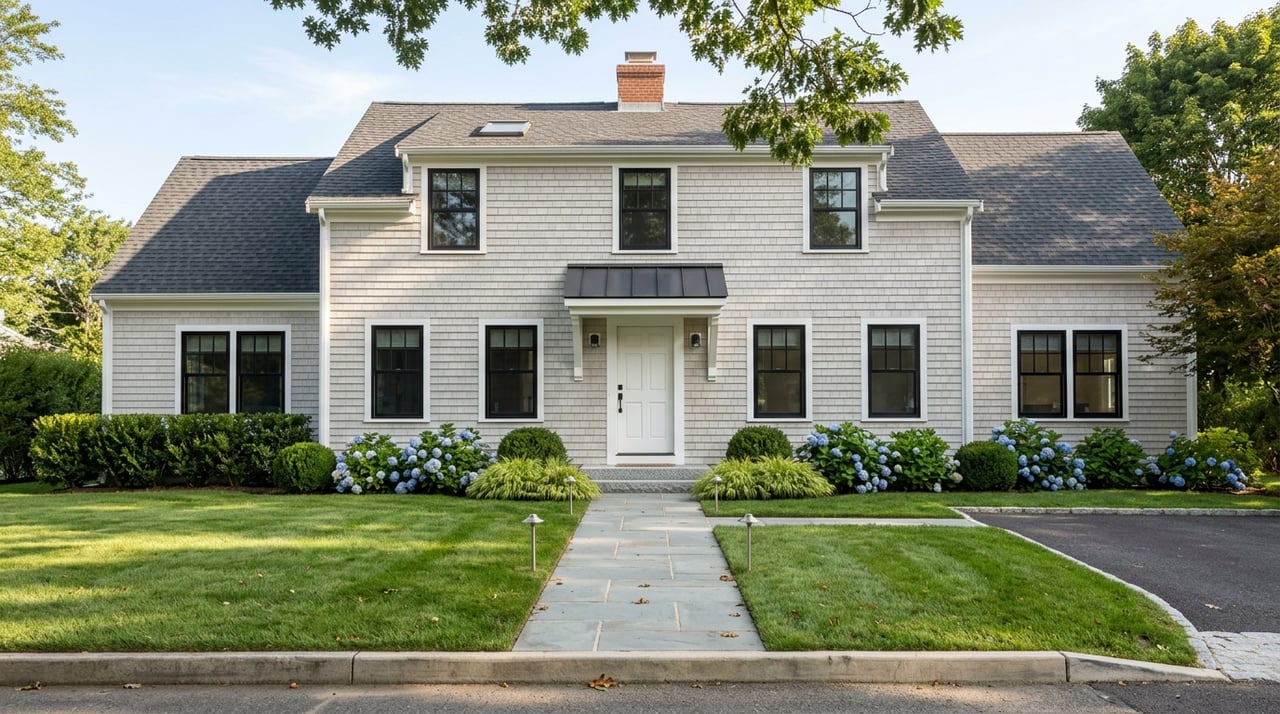
Cape Cod homes are among the easiest styles to recognize from the street. They are typically one-and-a-half stories with a steep roof, dormers, a balanced facade, and often a side chimney. That compact form tends to give these homes a simple, orderly appearance.
In Needham, a Cape often appeals to buyers who like a house that feels classic without being overly formal. The roof shape, dormer placement, and window rhythm do a lot of the visual work. Even before you step inside, the exterior often signals a straightforward, comfortable layout.
What Buyers Notice on a Cape
When you look at a Cape’s curb appeal, pay attention to a few key elements:
- Roof pitch and overall silhouette
- Dormer size and placement
- Window spacing and symmetry
- Siding condition and trim detail
- Rear additions that may change the original compact form
If you are selling a Cape, these details are especially important in listing photos and first impressions. Small exterior mismatches tend to stand out more on a style that depends on balance and simplicity.
Colonial and Colonial Revival Homes
Colonial and Colonial Revival homes are a major part of Needham’s visual identity. State survey materials note that many of the town’s modest-scale houses are Dutch Colonial or Colonial Revival, while earlier local homes include center-entrance facades and simple doorways associated with Federal-era forms.
This is also where labels can get tricky. In Needham, a home described as “Colonial” may be an older historic house or a later Colonial Revival interpretation. For buyers, the facade, roofline, entry design, and floor plan usually reveal more than the style label alone.
What Defines the Look
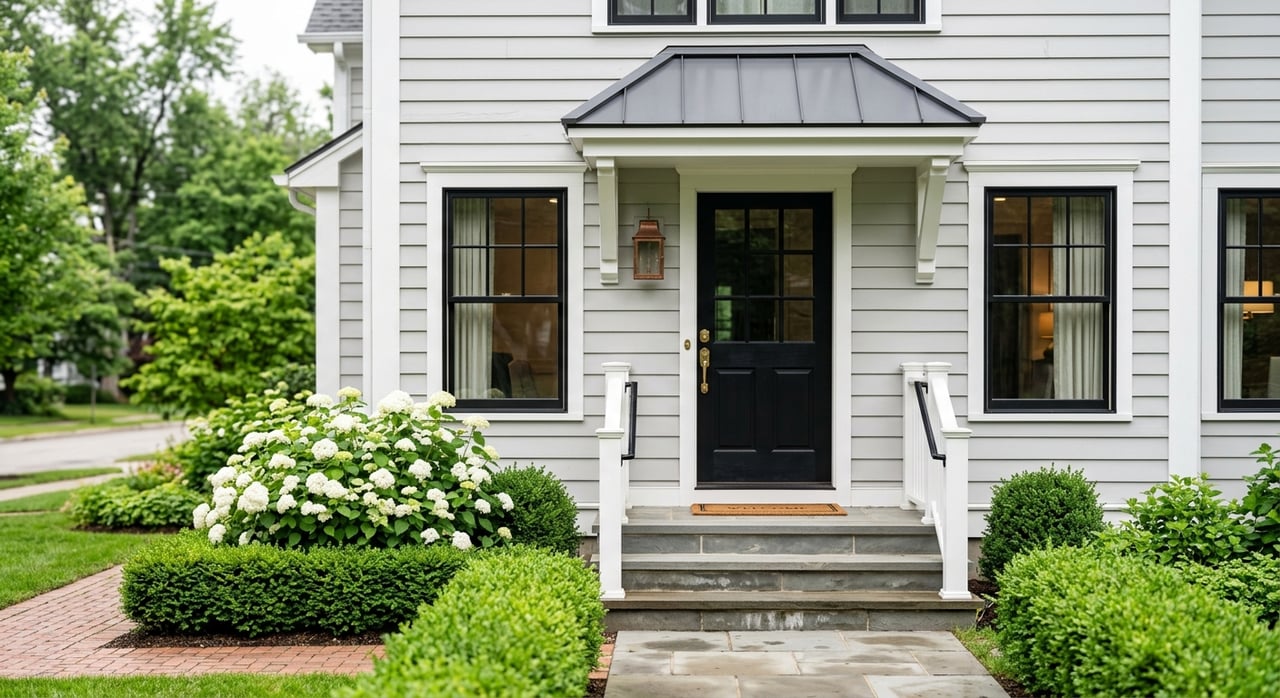
Colonial Revival homes often rely on symmetry and a clearly defined front entry. You may also see porches, columns, pilasters, sidelights, fanlights, or other formal entry details. Compared with earlier colonial-inspired homes, Colonial Revival houses can appear more substantial and a little more decorative.
From the curb, these homes often make their strongest impression through proportion. When the entry, windows, trim, and porch details all work together, the house feels grounded and intentional. In Needham, that kind of visual order tends to read well.
Curb Appeal Cues for Colonials
If you are evaluating a Colonial or Colonial Revival home, focus on these elements:
- A centered or clearly emphasized front entry
- Symmetrical facade elements
- Consistent window trim and spacing
- Porch and column condition
- Exterior materials that suit the home’s style
For sellers, this style often benefits from careful editing. Clean trim lines, a well-marked entry, and tidy landscaping can make the architecture feel sharper without changing the home itself.
Split-Level Homes and Postwar Needham
Split-level homes tell an important part of Needham’s story. This style became popular in the 1950s and 1960s, which fits the town’s postwar growth as suburban development expanded after Route 128.
A split-level usually has a multi-level front facade, with the garage at the basement level, main living areas above, and bedrooms on an upper level. Exteriors can vary quite a bit. Some feel plain and practical, while others lean more modern in their window patterns or siding choices.
How Split-Levels Read From the Street
Split-level curb appeal depends less on symmetry and more on composition. Because the home is built around shifting levels and masses, the exterior works best when transitions feel clean and intentional. Steps, garage exposure, grading, and drainage all affect how polished the home feels from the street.
If you are buying a split-level, look closely at how the front elevation is handled. A tidy entry sequence, balanced landscaping, and well-maintained transitions between levels can make a big difference. If you are selling one, exterior organization matters just as much as style.
New Construction and Replacement Homes
One of the biggest reasons Needham feels architecturally mixed is the amount of replacement construction. Town materials from the Large House Review Study Committee note that 289 replacement houses accounted for 92% of single-family building permits between 2008 and 2013. In other words, much of Needham’s newer housing came from rebuilt lots rather than entirely new subdivisions.
That is why you may see an older Cape next to a larger newer home on the same street. The mix is not random. It reflects how the town has evolved lot by lot over time.
What Good Newer Curb Appeal Looks Like
In Needham, newer curb appeal is usually strongest when a house feels compatible with its setting. Town design-review language emphasizes harmony with adjacent buildings and preserving original style, form, materials, and distinctive elements where relevant. That does not mean every house has to look old, but it does mean proportion and site fit matter.
For buyers, pay attention to massing, roofline, drainage, and how the home sits on the lot. For sellers of newer homes, the goal is often to show that the house offers modern space while still feeling settled into the street.
What Curb Appeal Means in Needham
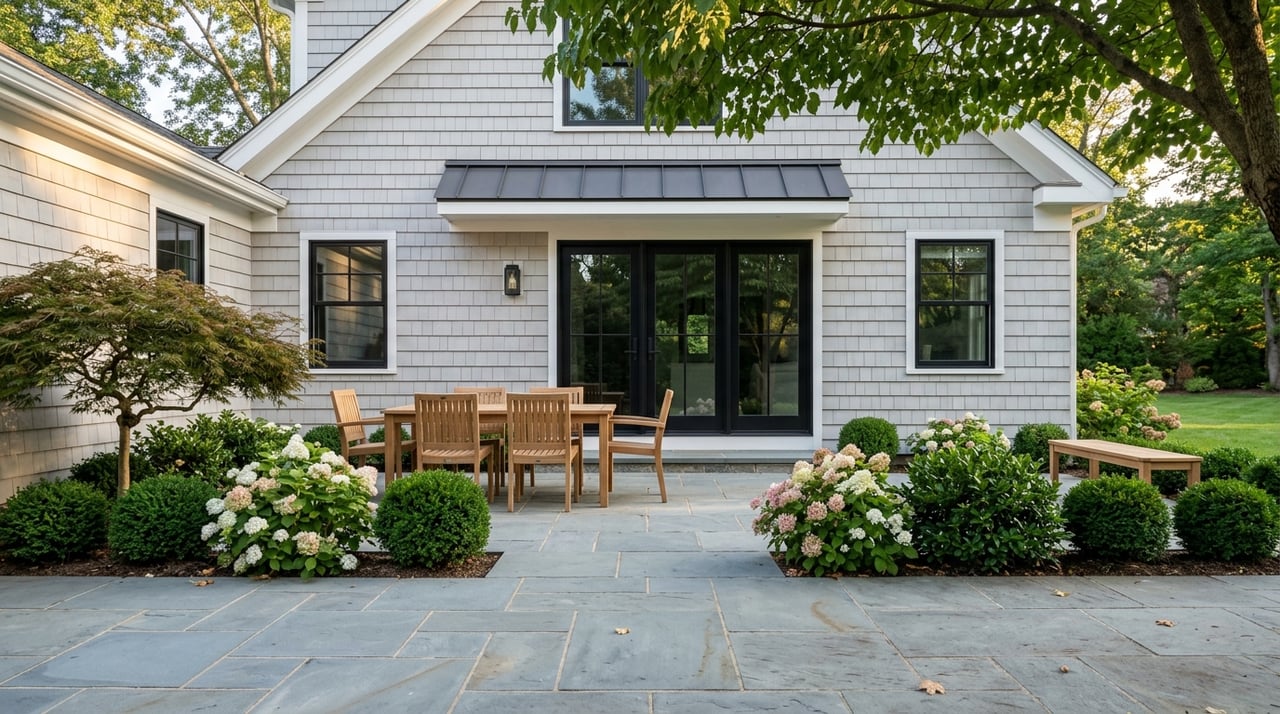
Curb appeal in Needham is often more subtle than flashy. Town planning and design materials connect neighborhood quality to landscaping, consistent facades, street amenities, and harmony with surrounding buildings. Scenic-road regulations also emphasize trees, stone walls, historic and regional character, and broader natural and aesthetic qualities.
That means curb appeal here is often about restraint and fit. A house tends to stand out for the right reasons when it has strong proportions, a clear front entry, thoughtful materials, and a landscape setting that feels connected to the street.
Needham-Specific Features That Add Appeal
Across styles, these are some of the details that often read well in Needham:
- Symmetry or visual balance
- A clearly defined front entrance
- Dormers and rooflines that suit the home’s form
- Window rhythm that feels orderly
- Materials and details that match the style
- Mature trees and established landscaping
- Stone walls or natural edges where present
These features do not function like a formal checklist. Still, they reflect the design cues that show up again and again in Needham’s built environment.
Maintenance Matters More Than You Think
If a home has strong curb appeal, maintenance is usually part of the reason. For older homes especially, one of the most important themes is water management. Historic New England maintenance guidance recommends seasonal inspections in spring and fall, with close attention to roofs, flashing, gutters, downspouts, windows, and exterior wood.
That advice is especially useful in Needham because many notable homes are older wood-frame or masonry structures. Even a beautiful facade can lose its appeal quickly if drainage, trim, or masonry maintenance falls behind.
A Simple Maintenance Lens by Style
Here is a quick way to think about upkeep when viewing homes:
- Cape: Check rooflines, dormers, siding, and whether additions disrupt the original shape.
- Colonial or Colonial Revival: Look at the front entry, porch details, trim, and the condition of symmetrical facade elements.
- Split-level: Focus on steps, garage exposure, drainage, and transitions between levels.
- Newer construction: Pay close attention to massing, site drainage, and exterior composition.
For both buyers and sellers, this is where curb appeal and long-term value often meet. A house that looks right from the street usually benefits from steady, thoughtful exterior care.
How This Helps You Buy or Sell Smarter
If you are buying in Needham, understanding architectural style can help you move beyond a listing label. You can better judge whether a home’s exterior has lasting appeal, whether updates fit the original design, and what maintenance may come with the property.
If you are selling, style awareness can shape smart preparation. The right exterior touch-ups, landscaping, and presentation choices often depend on what the house is trying to be architecturally. A Cape, a Colonial, and a split-level do not win buyers over in exactly the same way.
Needham’s streets are part of what makes the town memorable. When you understand the local mix of historic houses, postwar forms, and newer replacement homes, you are better prepared to see what gives a property presence and how to position it well in the market.
If you want help understanding how your home’s style affects buyer perception or which Needham streets and home types may fit your goals, connect with Elissa Rosenfelt. She can help you evaluate curb appeal, neighborhood context, and next steps with a practical local perspective.
FAQs
What architectural styles are common in Needham homes?
- Needham includes a mix of Cape Cod, Colonial, Colonial Revival, split-level, older Federal-period homes, and newer replacement houses built on existing lots.
What gives a Needham home strong curb appeal?
- In Needham, curb appeal often comes from proportion, roofline, entry detail, compatible materials, mature landscaping, and a house that feels well-suited to its street.
Why do Needham streets have such a mixed look?
- Needham developed over several periods, including early agricultural settlement, railroad-era suburban growth, and postwar expansion, so many streets include homes from different eras.
What should buyers check on a Needham Cape or Colonial?
- Buyers should look closely at rooflines, dormers, window spacing, entry details, trim condition, and whether additions or updates fit the home’s original form.
Are newer homes common in Needham neighborhoods?
- Yes. Town materials show that replacement houses made up most single-family building permits during one recent period, which helps explain why many streets mix older homes with newer builds.
What exterior maintenance matters most for older Needham homes?
- Water management is a big priority, including regular checks of roofing, flashing, gutters, downspouts, windows, exterior wood, drainage, and masonry condition.