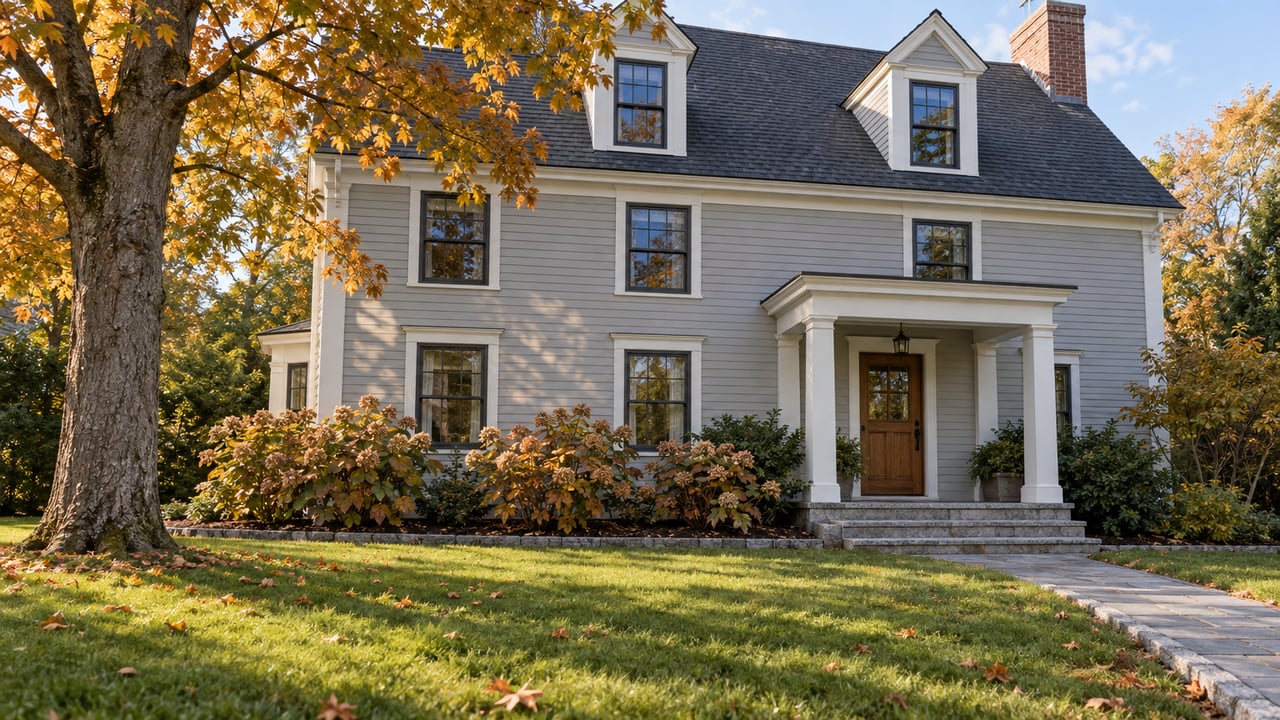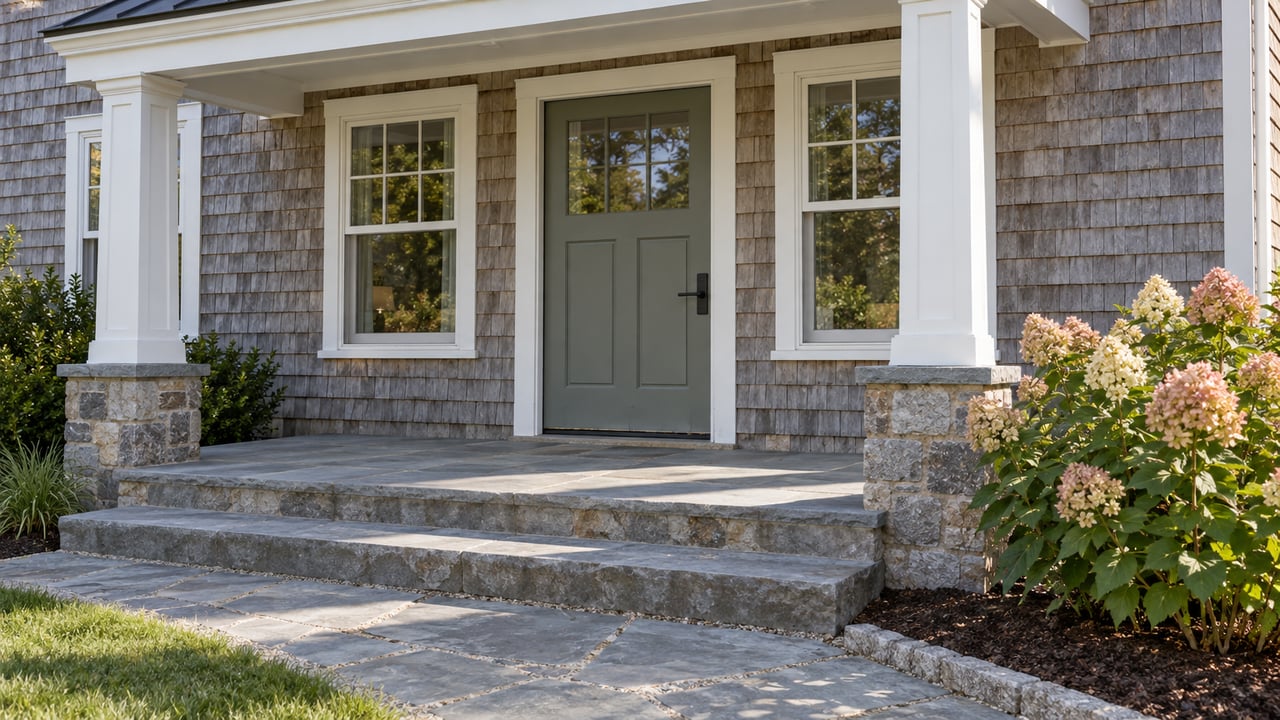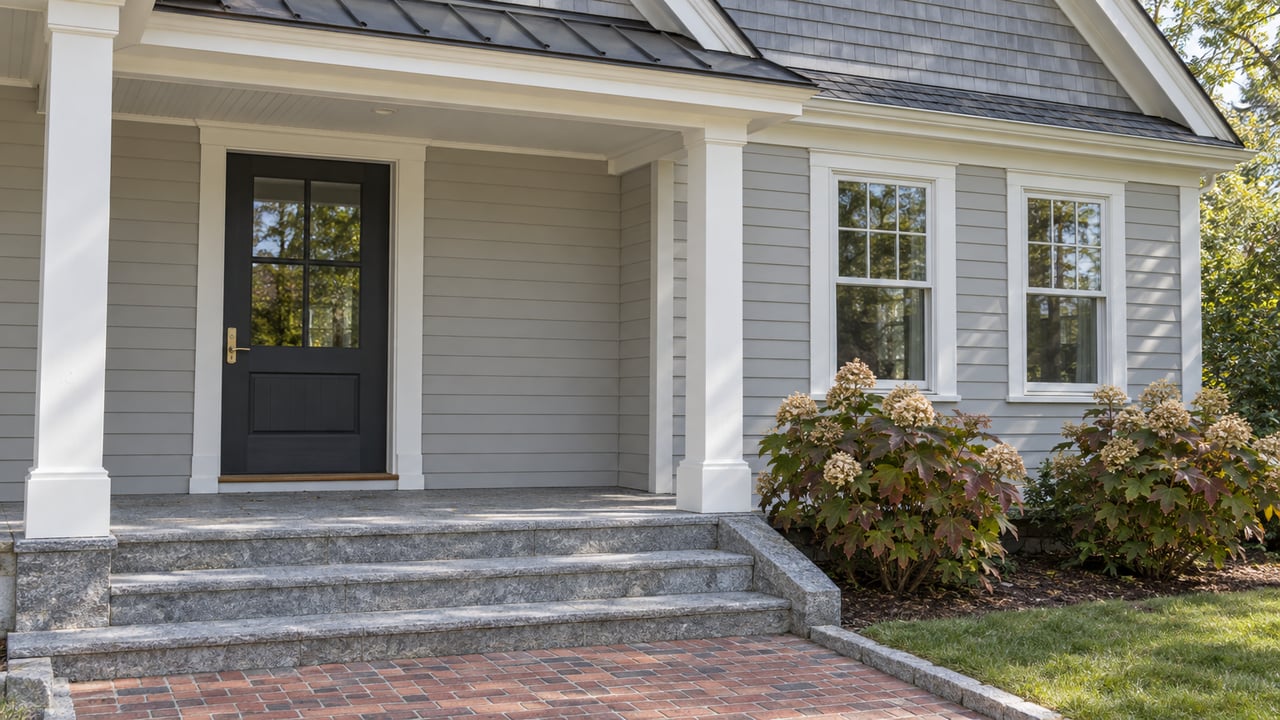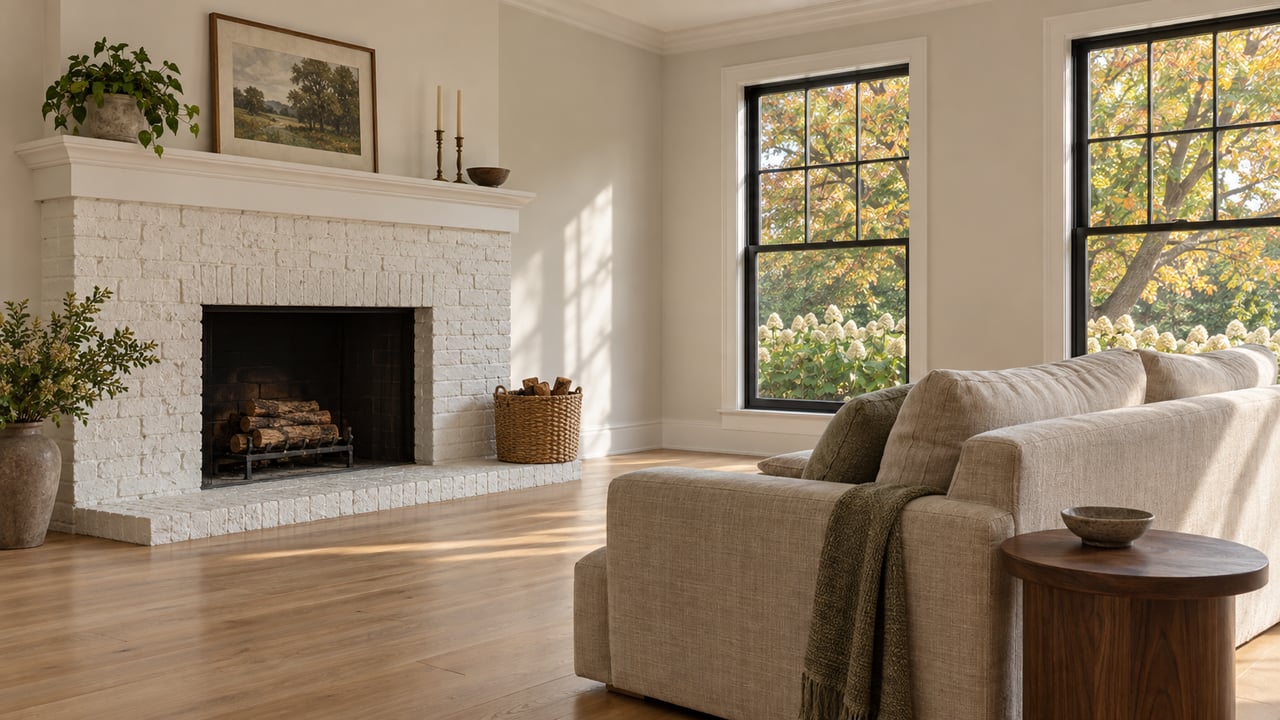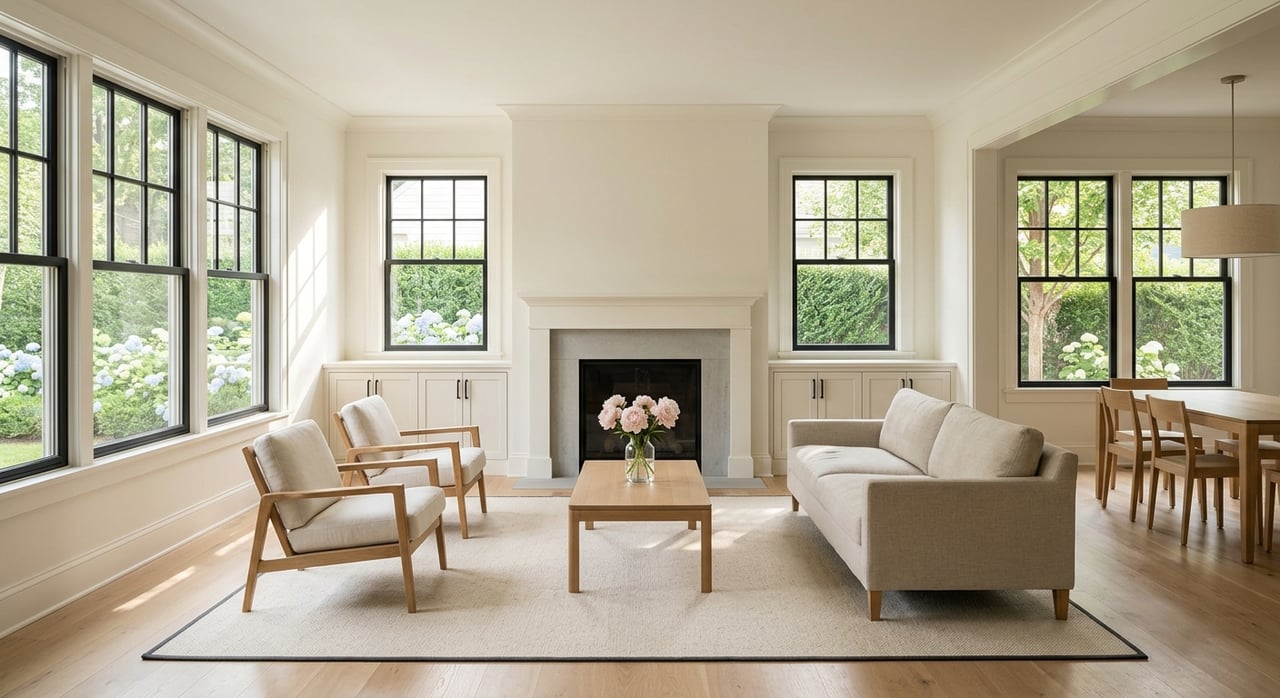
If Needham open houses feel fast-paced, that is because they are. With tight inventory, relatively quick selling timelines, and buyers watching every new listing closely, you often need to make decisions quickly without losing your discipline. The good news is that a smart plan can help you stay focused, ask better questions, and move forward with confidence. Let’s dive in.
Why Needham Open Houses Move Fast
Needham remains a competitive market for single-family homes. March 2026 data from the Massachusetts Association of REALTORS showed 1.9 months of inventory, 64 cumulative days on market year-to-date, and sellers receiving 96.6% of original list price on average year-to-date.
A separate March 2026 snapshot from Realtor.com reported 63 homes for sale, a 21-day median time on market, and homes selling about 1.24% below asking on average. While the numbers differ because of timing and methodology, both sets of data point to the same reality: supply is constrained, and serious buyers need to be prepared.
That does not mean you should rush blindly. In Needham, the strongest buyers are usually the ones who can evaluate a home quickly, stay grounded in their budget, and follow up without skipping key due diligence.
Prepare Before You Walk In
A successful open house usually starts before you ever step through the front door. If you know your budget, your ideal timeline, and your non-negotiables, you can spend your visit evaluating the home instead of figuring out your priorities on the spot.
It also helps to understand your likely monthly payment before you begin shopping. That includes more than just the mortgage. You will want to think about insurance, utilities, and any property-specific costs that could affect affordability.
In a town like Needham, commute planning matters too. With four MBTA commuter rail stops and direct access from I-95/128, many buyers weigh travel time, parking, and day-to-day convenience heavily when deciding whether a home is the right fit.
Bring a Simple Open House Checklist
A short checklist can help you stay objective, especially if you are seeing several homes in one weekend. Focus on practical categories like these:
- Layout and room flow
- Natural light
- Bedroom setup and work-from-home flexibility
- Storage space
- Basement condition and signs of water intrusion
- Roof, windows, and visible exterior wear
- HVAC age and condition
- Traffic, train, or general noise
- Yard use, privacy, and upkeep
- Parking and ease of access
- How the location supports your daily routine
You do not need to solve everything at the open house. You just need enough information to decide whether the property deserves a second look or a stronger next step.
What to Notice During the Open House
An open house is not just a casual walk-through. It is your chance to assess fit, condition, and everyday livability in a structured way. The more intentional you are, the easier it becomes to compare one home with another.
Start with the way the home feels as you move through it. Does the layout make sense for your routine? Are there enough flexible spaces for work, guests, storage, or hobbies? A beautiful kitchen may stand out, but the overall flow of the home matters just as much.
Pay attention to natural light and how each level functions. A room that looks great in listing photos may feel very different in person. If possible, think about how the home might feel at different times of day, especially if the street is busy or the lot sits near commuter rail activity.
Look Closely for Condition Clues
You are not performing a full inspection at an open house, but you can still spot early signs that deserve follow-up. Watch for stains, musty smells, cracks, uneven floors, older windows, or signs of deferred maintenance.
Basements deserve extra attention. In Massachusetts, questions about water intrusion, prior damage, and insurance history are especially worth raising before you make an offer. Utility costs are also fair game and can help you better understand the real cost of ownership.
Ask Smart Questions at the Open House
Good open-house questions should stay focused on the property and the process. That keeps the conversation productive and helps you gather the facts you actually need to make a decision.
In Massachusetts, agency relationship information must be posted or provided at an open house so you can understand who the agent represents. That is useful context as you ask questions and decide what your next step should be.
Here are some practical questions to ask:
- What timeline does the seller prefer?
- Is there an offer deadline?
- What updates or repairs have been completed?
- Are there records for major systems or recent work?
- Have there been any water, flooding, or prior damage issues?
- Have there been any insurance-related challenges with the property?
- What do utility costs typically look like?
- Is there anything important a buyer should know about the roof, windows, HVAC, or basement?
These questions help you move beyond staging and into substance. They can also reveal whether a home is truly as turnkey as it appears.
Ask About Lead Paint in Older Homes
In Needham, older homes are often part of the appeal. If a property was built before 1978, make sure you ask whether lead-paint disclosures and any known hazard documentation are available.
Massachusetts requires lead-risk notification in pre-1978 sales. This is a routine and practical part of the process, and it is especially important in communities where older housing stock remains a meaningful part of the market.
Stay Strategic, Not Emotional
It is easy to feel pressure when a house is crowded and interest seems high. In Needham, that feeling is common, but speed should not replace strategy.
The goal is not to win the home at any cost. The goal is to identify the right home, understand its strengths and risks, and decide whether it supports your budget and your daily life. That mindset helps you act decisively without overreaching.
One of the best ways to stay grounded is to take notes immediately after the visit. Write down what stood out, what concerned you, and what you still need to confirm. After a few open houses, the details can blur quickly.
Follow Up the Same Day
In a market with limited inventory, your follow-up matters. If you are serious about a property, same-day follow-up can help you clarify missing details, request disclosures, and decide whether to schedule a second showing or begin preparing an offer.
This is also where preparation pays off. Buyers who have already met with a lender and secured preapproval are often better positioned to respond quickly when the right home appears.
Fast follow-up does not mean abandoning protections. It means keeping momentum while you gather what you need to make a well-supported decision.
Know Your Inspection Rights in Massachusetts
Massachusetts has strengthened buyer protections around home inspections. A seller or seller’s agent may not condition acceptance of an offer on your waiving, limiting, or restricting a home inspection, and a separate disclosure must be provided no later than the first written contract to purchase.
You may still choose later to waive or forego an inspection, but that decision must happen after the required disclosure and without seller pressure. For Needham buyers, this is an important reminder that staying competitive does not automatically mean giving up due diligence.
How Local Guidance Can Help
Open houses give you a first impression. Turning that impression into a smart offer plan is a separate skill. In a fast-moving market like Needham, local guidance can help you interpret the opportunity more clearly.
That may include comparing the home with recent local sales, reading the likely timing on the listing side, and deciding whether the property justifies an immediate offer or a second visit first. When inventory is tight, that kind of support can make a real difference in how confidently you move.
For buyers relocating to Needham or balancing commuter needs, local context matters even more. A home can look great online and still function very differently once you factor in commute patterns, parking, lot placement, and the rhythm of daily life.
Winning at Needham open houses usually comes down to preparation, not pressure. If you know your numbers, ask the right questions, and follow up quickly, you can stay competitive while still protecting your interests. If you want help creating a thoughtful game plan for Needham home shopping, connect with Elissa Rosenfelt.
FAQs
What should you bring to a Needham open house?
- Bring a short checklist, your list of must-haves, a way to take notes, and a clear sense of your budget so you can evaluate the home efficiently.
What should you look for at a Needham open house?
- Focus on layout, light, storage, condition, noise, parking, basement concerns, major systems, and whether the home supports your daily routine and commute.
What questions should you ask at a Massachusetts open house?
- Ask about the seller’s timeline, offer deadlines, recent repairs or updates, utility costs, water or damage history, insurance issues, and available documentation for major systems.
What should you ask if a Needham home was built before 1978?
- Ask whether the property is pre-1978 and request the required lead-paint disclosures and any known hazard documentation.
Can a buyer keep an inspection in a competitive Needham offer?
- Yes. Massachusetts regulations say a seller or seller’s agent may not require a buyer to waive, limit, or restrict a home inspection as a condition of acceptance.
How quickly should you follow up after a Needham open house?
- If you are interested, same-day follow-up is often the strongest approach because it helps you gather facts, request disclosures, and decide on a second showing or offer while the home is still fresh.